


Mixed Tocopherols

We are always at your service when you need
Shandong New Element Biotechnology Co., Ltd. is a national high-tech enterprise that focuses on high-purity, high-content natural vitamin E, phospholipids, and other biological antioxidant products R&D, production, and sales.
The company is committed to low-carbon, circular, and sustainable economic development. Our mission is to build an enterprise in the big health industry and promote the construction of a human health community. Welcome friends from all over the world to visit, cooperate, and progress together!
600Ton
Annual Capacity
years experience
60+
R&D Team
100000㎡
construction area
Core strengths
Why choose Shandong New Element as your partner?
Production
Independently design enclosed integrated production line.
GMP standard grade D clean workshops.
PLC automatic control is adopted throughout the line.
Certification System
Perfect food safety management system

Quality Assurance
The product production process must undergo at least three inspections. Batch testing is carried out and regularly sent to third-party laboratories for external inspection.
R&D Part
We have 21 patents and 8 enterprise standards.
-
![Natural Vitamin E Mixed Tocopherols 50% -95% Non-GMO]()
Natural Vitamin E Mixed Tocopherols 50% -95% Non-GMO
Products Description Natural vitamin E mixed tocopherol usually refers to a mixture of biologically active compounds, which contains a variety of tocopherol compounds, such as alpha-tocopherol
-
![Sunflower Sourced Mixed Tocopherols 950IU]()
Sunflower Sourced Mixed Tocopherols 950IU
Products Description Additives in fish oil mixed tocopherols are a complex composed of various types of tocopherols (vitamin E), mainly including α-, β-, γ- and δ-tocopherols.
-
![Natural Antioxidant Mixed Tocopherols Oil]()
Natural Antioxidant Mixed Tocopherols Oil
Products Description Additives in fish oil mixed tocopherols are a complex composed of various types of tocopherols (vitamin E), mainly including α-, β-, γ- and δ-tocopherols.
-
![Additives in Fish Oil Mixed Tocopherols]()
Additives in Fish Oil Mixed Tocopherols
Products Description Additives in fish oil mixed tocopherols are a complex composed of various types of tocopherols (vitamin E), mainly including α-, β-, γ- and δ-tocopherols.
-
![Pure Natural Vitamin E Mixed Tocopherols]()
Pure Natural Vitamin E Mixed Tocopherols
Mixed tocopherols concentrate is natural antioxidant derived from soybean fatty acid or other edible vegetable oil fatty acid. Mixed tocopherols is clear, reddish brown viscous oily liquid. It can be
-
![Natural Vitamin E Mixed Tocopherol]()
Natural Vitamin E Mixed Tocopherol
Products Description Natural vitamin E mixed tocopherol usually refers to a mixture of biologically active compounds, which contains a variety of tocopherol compounds, such as alpha-tocopherol
-
![Mixed Tocopherols Natural Vitamin E]()
Mixed Tocopherols Natural Vitamin E
Mixed tocopherols concentrate is natural antioxidant derived from soybean fatty acid or other edible vegetable oil fatty acid. Mixed tocopherols is clear, reddish brown viscous oily liquid. It can be
-
![Natural Vitamin E Mixed Tocopherols]()
Natural Vitamin E Mixed Tocopherols
Mixed tocopherols concentrate is natural antioxidant derived from soybean fatty acid or other edible vegetable oil fatty acid. Mixed tocopherols is clear, reddish brown viscous oily liquid. It can be
-
![Mixed Tocopherols 95%]()
Mixed tocopherols concentrate is natural antioxidant derived from soybean fatty acid or other edible vegetable oil fatty acid. Mixed tocopherols is clear, reddish brown viscous oily liquid. It can be
-
![E Oil Vitamin]()
Specification:Mixed Tocopherol 50%,70%, 90%,95%;D-Alpha Tocopherol Oil 1000-1430IU/g;D-Alpha Tocopherol Acetate Oil 1000-1360IU/g;D-Alpha Tocopherol Oil 1185IU/g;
-
![Mixed Tocopherols in Sauces]()
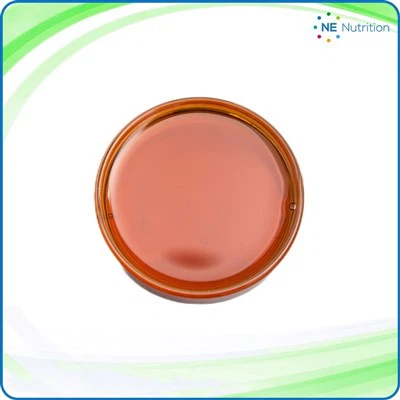
The Name of Product: Mixed tocopherols. Appearance: Brownish red to light yellow clear oily liquid. Specification: 50%, 70%, 90%, 95%.
-
![Mixed Tocopherols For Food Use]()
Mixed Tocopherols For Food Use
The Name of Product: Mixed tocopherols. Appearance: Brownish red to light yellow clear oily liquid. Specification: 50%, 70%, 90%, 95%.




Product advantages
We focus on the R&D and production of a full range of natural vitamin E with high purity and high content. We can not only produce specifications that meet the needs of popular products but also provide customized specifications that meet customer requirements.
High Content
The content of regular products can reach more than 97%.
High Purity
Many types of pollutant indicators have been controlled, such as benzopyrene, plasticizers, dioxins, and zearalenone...
Full Range
We can provide a full range of natural vitamin E.
Customizable
We can offer a full range of natural vitamin E, whether in powder or liquid form, in monomeric or esterified form.
Our Partners
NE Nutrition with a good reputation, excellent quality, and sound after-sales service to win the world's praise, in many domestic and foreign enterprises shine!







What is Mixed Tocopherols?
Mixed tocopherols are organic compounds commonly found in nuts, seeds, grains, legumes and leafy green vegetables. They have antioxidant properties that are especially useful in fats and oils – protecting against oxidation, preventing rancidity, extending shelf life and preserving taste.
Different Types of Mixed Tocopherols
Tocopherols come in four primary types—alpha, beta, gamma, and delta. Let's break down each type:
Alpha-Tocopherol
This is the most common form of vitamin E in the body and is considered the most biologically active, meaning it has the greatest impact on our health. It's a potent antioxidant that protects our cells from damage by neutralizing harmful free radicals. Alpha-tocopherol is also involved in immune function, DNA repair, and other metabolic processes.
Beta-Tocopherol
While not as prevalent or well-studied as its alpha counterpart, beta-tocopherol still plays an important role as an antioxidant. Some research suggests it may have specific benefits for cardiovascular health.
Gamma-Tocopherol
This is the most common form of vitamin E in our diet, especially in the American diet, as it's found in many common vegetable oils, like corn and soybean oil. Gamma-tocopherol has demonstrated anti-inflammatory properties and may help protect against certain types of cancer and heart disease.
Delta-Tocopherol
This is the least active form of tocopherol in our bodies but still contributes to our overall health. Delta-tocopherol has potent antioxidant activity and unique cardiovascular health benefits.
Each of these tocopherols is naturally present in different amounts in various foods, and all have a role in health. For this reason, consuming a mix of tocopherols—similar to what you would get from a healthy, balanced diet—can offer a broader range of benefits than consuming alpha-tocopherol alone.
When choosing supplements, many healthcare professionals recommend products that contain a mixture of tocopherols to mimic what you would find in nature.
The health benefits of mixed tocopherols vary, from cardiovascular wellness to skin health. Let's delve deeper:
Antioxidant Powerhouse: The primary role of tocopherols in the body is to act as antioxidants. They neutralize harmful free radicals, thereby reducing oxidative stress, a key factor in aging and many chronic diseases like cancer and heart disease.
Heart Health: Studies have shown that mixed tocopherols may help maintain a healthy heart. They can inhibit the oxidation of low-density lipoprotein (LDL) cholesterol—a key step in developing atherosclerosis or hardening of the arteries. Some evidence also suggests that tocopherols can help maintain healthy blood pressure levels.
Cognitive Health: Some research indicates that tocopherols, especially alpha-tocopherol, may help protect against Alzheimer's disease and cognitive decline associated with aging. However, more research is needed to confirm these potential benefits.
Skin Health: Tocopherols can protect the skin from ultraviolet (UV) damage, help maintain healthy skin moisture levels, and support wound healing. They're a common ingredient in many skin care products for these reasons.
Immune Function: Vitamin E, including the mixed tocopherols, is crucial in supporting a healthy immune system. It enhances the function of immune cells to protect the body from bacteria, viruses, and other pathogens.
Eye Health: Some evidence suggests that vitamin E, along with other antioxidants, may help protect against age-related macular degeneration (AMD), a leading cause of vision loss in older adults.
While these benefits sound promising, it's important to note that they come from a combination of observational studies and clinical trials.
Further research is needed to solidify the relationship between mixed tocopherols and these health benefits. Still, the evidence suggests that ensuring adequate intake of these nutrients can support overall health.
Mixed Tocopherols in Diet: Food Sources


If you're looking to boost your intake of mixed tocopherols naturally, you're in luck. These power-packed compounds are found in various foods, many of which are likely already part of your diet. Here's a list of food sources rich in mixed tocopherols:
Nuts and Seeds: Almonds, hazelnuts, sunflower seeds, and peanuts are all excellent sources of alpha-tocopherol. Just a handful a day can go a long way in meeting your vitamin E needs.
Vegetable Oils: Sunflower, safflower, wheat germ, and olive oil are high in alpha-tocopherol. In contrast, corn, soybean, and canola oils are richer in gamma-tocopherol.
Leafy Green Vegetables: Spinach, broccoli, and Swiss chard are just a few examples of greens packed with alpha-tocopherol. Remember, the fresher, the better.
Whole Grains: Whole wheat bread, brown rice, oatmeal, and other whole grains provide a good amount of mixed tocopherols.
Fish: Certain types of fish, such as trout and salmon, are rich in alpha-tocopherol.
Incorporating these foods into your daily meals can be as simple as adding a handful of nuts to your breakfast yogurt, drizzling olive oil on your salad, or having a fish dish for dinner.
However, it's important to remember that tocopherols are fat-soluble, which means they're best absorbed with dietary fats. So, when eating these foods, include some healthy fats in the same meal.
Understanding Mixed Tocopherols in Pet Food
What Are Mixed Tocopherols?
Mixed tocopherols are one of those commonly misunderstood ingredients. Tocopherols are found in everything from kibble, to training treats, supplements, shampoo, and more. In fact, tocopherols are one of the most common ingredients used in pet goods. But what are they, and why are they so popular?
To explain it simply, mixed tocopherols are a combination of different sources of Vitamin E. They can be a mixture of alpha-tocopherol, beta-tocopherol, gamma-tocopherol, and delta-tocopherol, which are all natural forms of Vitamin E. Tocopherols do differ very slightly in chemical structure, but are essentially the same. They're usually sourced from nuts, seeds, healthy oils, and even spinach.
Vitamin E is important for many pets, including dogs and cats, as it serves a variety of important functions. Firstly, Vitamin E acts as a powerful antioxidant, helping prevent cell damage from free radicals, which are closely associated with a number of serious diseases including cancers, Parkinson's, Alzheimer's, and more. Secondly, Vitamin E is a dynamic helper for both the immune system, as well as the circulatory system. It helps to maintain strong, healthy muscles, keeping your pet agile as they age. On top of these benefits, Vitamin E also contributes to better eyesight, a healthy skin and coat, and more!
While Vitamin E deficiency is rare in pets, cats can be slightly more susceptible to it than dogs. For example, all-fish diets are generally lower in Vitamin E – which is essential for natural fat metabolism – so without proper supplementation pets may be at risk of developing a disorder called Yellow Fat Disease. Most commercial pet foods are properly balanced in this regard, so diet-related Vitamin E deficiencies are not a common problem today.
Surprisingly, the reason Vitamin E is found in so many pet products isn't because of its health benefits; mixed tocopherols are an exceptionally effective preservative. Over the last couple decades, pet product manufacturers have been meeting an increasing demand for all natural, healthy pet foods and treats. Part of this trend has been the removal of unwanted synthetic preservatives.
Mixed Tocopherols as a Preservative
When being used as a preservative, mixed tocopherols work by naturally reducing oxidation of ingredients in consumable pet products, extending it's shelf life significantly.
Synthetic preservatives are less costly to the manufacturer than mixed tocopherols, and preserve pet foods longer. However, there are many concerns regarding the safety of long-term exposure to artificial preservatives like BHT, BHA, propylene glycol, propyl gallate, and ethoxyquin. The International Agency for Research on Cancer lists BHA as a possible human carcinogen. While ethoxyquin is considered to be non-toxic to pets if used properly, it is also used in pesticides and in making rubber products, like tires. This really makes you question the number of potentially harmful things our pets are unknowingly exposed to.
Vitamin E oil is naturally-derived from vitamin E sources. It is easily found in green leafy vegetables, nuts and seeds. Vitamin E oil has both antioxidant and anti-inflammatory properties which are best for skin health.
Vitamin E oil moisturizes and nourishes your skin. It is extremely versatile as it is excellent for skin health, helps to neutralize free radicals which damage cells, prevent cardiovascular disease, cancer and other ailments.
Before using vitamin E oil on the skin, do a patch test. Apply a small quantity of vitamin E oil on the neck or back of the ear and wait for 24-48 hours. If no allergic reaction develops, you can use it safely.
First, wash your face with lukewarm water and dry it gently with the help of a towel
Then take a pea-size amount of vitamin E oil on palms and gently massage on face and neck area with the help of fingers
If you have sensitive skin leave it for 15 minutes and wash
If you have dry skin then you can keep it for the whole night and wash it with warm water the next morning.
Apply vitamin E oil to your under-eye area. Keep in mind, however, that the area has very thin skin, so avoid straining or rubbing it.
The best motions to use are patting motions with your ring finger.
What's the Difference Between Vitamin E and Vitamin C?
Vitamin E and vitamin C are two of the most recognizable antioxidants in our skincare. While they do very different things for the skin— vitamin C targets pigmentation and dark spots thanks to its brightening properties, and vitamin E is a hydrator—they are often paired together. Together, they are a powerhouse of DNA repair and protection. They provide antioxidant protection, along with brightening and scar-reducing benefits. Have shown that they perform better together than by themselves.
Our Factory
Since its establishment, the company has introduced advanced domestic pharmaceutical research and development teams and combined them with industry, academia, and research in universities. With technology as the core, innovation as the driving force, talent as the foundation, quality as the guarantee, market orientation, and customer centricity, the company continuously innovates and develops to improve its competitiveness and sustainable development capabilities.
FAQ
As one of the most professional mixed tocopherols manufacturers and suppliers in China, we're featured by quality products and good service. Please rest assured to buy bulk mixed tocopherols at competitive price from our factory.
Mixed Tocopherols Soy