


Tocotrienols
Shandong New Element Biotechnology Co., Ltd. is a national high-tech enterprise that focus on high-purity, high content natural vitamin E, phospholipids and other biological antioxidant products R&D, production, and sales.

Why Choose Us
01
Production
Independently design enclosed integrated production line.GMP standard grade D clean workshops.
02
Quality Assurance
The product production process must undergo at least three inspections.
03
Certification System
Perfect food safety management system
04
R&D Part
We have 21 patents and 8 enterprise standards.
-
![Natural Vitamin E Tocotrienols Supplements Grade]()
Natural Vitamin E Tocotrienols Supplements Grade
Products Description Natural vitamin E tocotrienols supplements grade, a form of vitamin E, are used in supplements for their potential health benefits. While more research is needed to fully
-
![Palm Sourced 92% Concentrate Tocotrienols]()
Palm Sourced 92% Concentrate Tocotrienols
Apperance:Yellow to red-brown clea oily liquid,mild and characterisitc odor.Total Tocotrienols and Tocopherols≥92.0%
-
![Tocotrienols in Supplement]()
Products Description Natural vitamin E, also known as d-alpha-tocopherol, is a fat-soluble vitamin that belongs to the family of compounds known as tocopherols. Vitamin E exists in eight different
-
![Tocotrienols Rice Sourced 85%]()
Tocotrienols has unique physiological functions in antioxidant properties, cholesterol reduction,cancer in hibition and so on, and has more superior physiological functions than tocopherol in some
-
![Tocotrienols Palm Sourced 92%]()
Tocotrienols has unique physiological functions in antioxidant properties, cholesterol reduction,cancer in hibition and so on, and has more superior physiological functions than tocopherol in some
-
![Natural Vitamin E Tocotrienols Cosmetics Grade]()
Natural Vitamin E Tocotrienols Cosmetics Grade
A type of natural vitamin E is drived from palm fruit
-
![Natural Vitamin E Tocotrienols]()
-
![Palm Tocotrienols For Cosmetics]()
-
![Palm Tocotrienols For Supplement]()
-
![Vitamin E Complex With Tocotrienols And Tocopherols]()
Vitamin E Complex With Tocotrienols And Tocopherols
When choosing a vitamin E complex supplement material, it's a good idea to ensure that it contains a mix of tocotrienols and tocopherols to reap the full potential of this important nutrient. It's
-
![Tocotrienol/Tocopherol Complex Suspension]()
Tocotrienol/Tocopherol Complex Suspension
The Tocotrienol Tocopherol Complex Suspension is a cutting-edge product that combines two potent forms of Vitamin E: tocotrienols and tocopherols. Both forms belong to the Vitamin E family, but they
-
![Tocotrienols Cosmetic Grade]()
Products Description Tocotrienols, also known as auxins or plant growth hormones, are a class of natural plant hormones. It plays an important regulatory role in plant growth and development. In


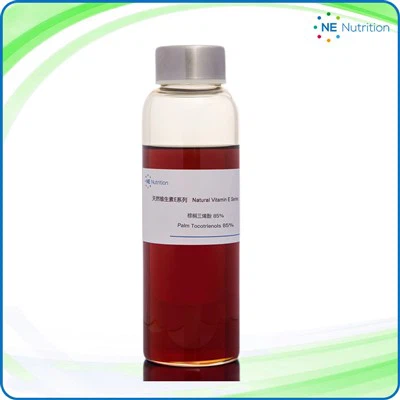


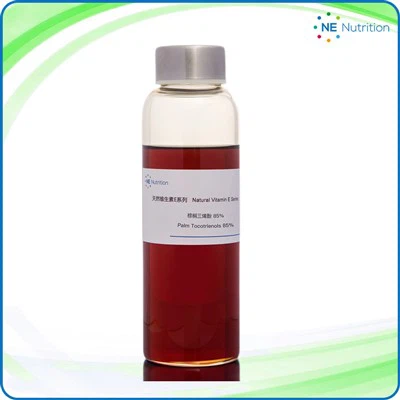

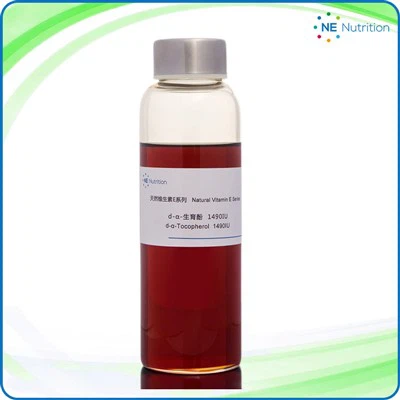


What is Tocotrienols?
Tocotrienols are chemicals in the vitamin E family. Vitamin E is a substance necessary for proper body and brain function.
As with the other vitamin E chemicals, tocopherols, there are four types of tocotrienols found in nature: alpha, beta, gamma, and delta. Tocotrienols occur in the oils of rice bran, palm fruit, barley, and wheat germ. Tocopherols, on the other hand, are found mostly in vegetable oils such as olive, sunflower and safflower oils, whole grains, and green leafy vegetables.
These substances are also available in supplement form as capsules or pills. Although tocotrienols are structurally similar to tocopherols, each has slightly different health properties.
That tocotrienols have many health benefits - some that are more powerful than those found in more common tocopherols. These include increased brain health and functionality, anticancer activity, and cholesterol-lowering properties.
Common Forms and Uses Of Tocotrienols
Tocotrienols are powerful antioxidants that can combat inflammation in the body. This anti-inflammatory effect may have several potential benefits, including:
Brain cell protection: Some studies suggest that tocotrienol has neuroprotective effects against Alzheimer's disease. Tocotrienol may also play a role in combating Parkinson's disease.However, this research was conducted in mice, not humans.
Decreased cancer risk: There's evidence that tocotrienols can suppress the growth of different malignancies, including those of breast, lung, ovary, prostate, liver, brain, colon, myeloma, and pancreas.However, in a pilot human study, there was no association between tocotrienols supplementation and survival in women with early breast cancer.
Better heart health: Tocotrienols may prevent heart-damaging inflammation and help reduce cholesterol levels. Immune-boosting effects. Animal studies suggest a possible link between tocotrienols and improved immune function.
Anti-aging benefits: A 2022 review of studies found tocotrienols protect the skin from inflammation, UV radiation, and melanin accumulation (patches of skin that become darker than the surrounding skin).
Hair loss prevention: One small 2010 study suggests that tocotrienol supplementation may help with certain kinds of hair loss.
Tocotrienols: A More Potent (and Safe) Form of Vitamin E


Tocotrienols are a recently discovered form of vitamin E with superior health benefits and a better safety profile than tocopherols, the more common form of vitamin E that is used in most supplements today.
Virtually everyone reading this has heard of vitamin E. In fact, many of you are likely taking it as a supplement, either in a multivitamin or on its own.
But did you know that supplementing with the most common form of vitamin E, alpha-tocopherol, doesn't improve health over the long term—and, in fact, can actually increase the risk of cancer and heart disease?
The good news is that thanks to a breakthrough discovery by scientists about 20 years ago, we now know of another form of vitamin E—called tocotrienols—which has far more potent health benefits and does NOT carry any of the long-term risks of tocopherols.
A brief history of Vitamin E
Today, we know that Vitamin E is a family of eight separate but related molecules. There are four tocopherols (alpha, beta, delta, and gamma) and four tocotrienols (alpha, beta, delta, and gamma).
The molecular structure of tocotrienols is different than tocopherols: they have shorter tails and heads and don't anchor deeply into the cell membrane. These differences allow tocotrienols to more easily enter cells and intercept free radicals—which explains why tocotrienols are 40–50 times more potent than tocopherols as antioxidants!
Most foods or plants that contain Vitamin E have a mixture of different forms of tocopherols and tocotrienols. For example, rice contains 35 percent delta- and gamma-tocotrienol, 15 percent alpha- and beta-tocotrienol, and 50 percent tocopherol.
The annatto plant is the only source of Vitamin E that contains pure delta- and gamma-tocotrienol. This is important because we know that delta and gamma are the most potent forms of tocotrienols when it comes to their effects on human health.
The diverse benefits of tocotrienols: A better form of vitamin E
Since tocotrienols were only distinguished from tocotrienols about twenty years ago, we are still learning about their unique functions and effects. But there is already a large body of evidence showing that they have remarkably potent and diverse impacts on human health.
Tocotrienols help maintain healthy metabolic function
Tocotrienols have a wide range of benefits on metabolic function. They reduce blood sugar, triglycerides, blood pressure, and accumulation of fat in the liver and abdominal area. They also improve insulin sensitivity and may assist with weight loss.
Tocotrienols help maintain healthy lipid levels and cardiovascular health
Tocotrienols have multiple effects on cardiovascular function and lipid metabolism. They reduce the activity of the HMG-CoA reductase enzyme, which is also targeted by statin drugs. Tocotrienols have a more gentle effect on this enzyme, however, so they do not typically cause the side effects that are associated with statin drugs.
Studies have shown that tocotrienols reduce LDL particle number, LDL cholesterol, and triglycerides. They also reduce the oxidation of LDL particles and inhibit their adhesion to artery walls. (Conversely, alpha-tocopherol oxidizes LDL, which may in part explain why supplemental tocopherols are associated with an increased risk of heart disease.) Tocotrienols reduce inflammatory cytokines associated with cardiovascular disease and their gene expression, including tumor necrosis factor αlpha, and interleukins 2, 4, 6, and 8.
Tocotrienols promote healthy brain function
Tocotrienols help maintain a healthy brain as we age. They reduce the pool of two proteins—FPP and GGPP—that have been shown to promote the development of Alzheimer's disease.
Tocotrienols help reduce inflammation and oxidative stress
Inflammation and oxidative stress are at the root of all chronic, modern diseases, and they are also primary drivers of the aging process. As noted above, tocotrienols are powerful antioxidants—in fact, they are 40–50 times more potent as antioxidants than tocopherols. They've been shown to increase total antioxidant status in the body, and they may even protect against radiation exposure—both from environmental exposure and from chemotherapy.
Tocotrienols inhibit the production of inflammatory compounds like Nuclear Factor kappa-Beta (NFkB), Tumor Necrosis Factor-alpha (TNF-a), C-reactive Protein (CRP), nitric oxide, and Interleukin 2, 4, 6 and 8.
Tocotrienols - Why Should We Care?
Vitamin E is a family of eight analogues
Vitamin E is a family of eight fat-soluble compounds that are divided into two forms – Tocopherol and Tocotrienol, each of which have four structurally and chemically diverse molecules scientifically termed as alpha (α), beta (β), delta (δ), and gamma (γ) respectively. α-Tocopherol was discovered first and is traditionally the compound most associated with the term Vitamin E. Its semi-synthetic and/or synthetic form is commonly used in products that contain Vitamin E.
Not all Vitamin E analogues are created equal
Vitamin E is a very important nutrient to our bodies. Without it, the body's immune system is impaired and the body becomes more at risk to coronary heart disease, cognitive decline, eye health issues, muscle weakness and even cancer. It is so important that the Food and Drug Administration (FDA) recommends 15 mg of Vitamin E daily. Classically, the α-Tocopherol analogue was affirmed as the most important analogue to meet human Vitamin E requirements. The main function of α-tocopherol in humans is that of a fat-soluble antioxidant. Fats, which are an integral part of all cell membranes, are vulnerable to damage through lipid peroxidation by free radicals caused by oxidative stress.
However, subsequent research has shown that the other Vitamin E analogues are very important to human health and can do far more than address a basic need. These other analogues are also known to be potent antioxidants, and have benefits that reach beyond simply preventing a deficiency. Tocotrienols and γ-tocopherol are thought to be better scavengers of peroxyl radicals and reactive nitrogen species, respectively, than α-tocopherol. These other analogues have unique anti-inflammatory properties not seen in α-tocopherol. Decades of research has shown that Tocotrienols, in particular, are key analogues of Vitamin E able to impact various aspects of health and wellness.
Tocotrienols- A Superior form of Vitamin E
Tocotrienols are structurally similar to Tocopherols – they both have a chromanol head and a fat-soluble side chain. Tocotrienols differ from Tocopherols in that their fat-soluble side chain is unsaturated, a key property that gives Tocotrienols up to 60x more antioxidative potency compared to α-Tocopherol (Galli et al., 2016), and making them a better form of Vitamin E.
Many diseases, including cardiovascular disease, diabetes, arthritis, neurodegenerative conditions (Alzheimer's disease is an example), cancer and even ageing are closely associated with the cumulative effects of prolonged oxidative stress.
Inflammation is an immune system response to a stimulus and happens when the body's immune system is fighting against something that is considered harmful. It is one of the manifestations of oxidative stress, and the pathways that generate the mediators of inflammation, such as adhesion molecules and interleukins, are all induced by oxidative stress. Chronic inflammation has been linked to the progression of neurodegenerative diseases like Alzheimer's disease, cardiovascular disease, cancer and diabetes.
The unsaturated side chains of Tocotrienols make it a very effective reactive oxygen species scavenger. The presence of these extra double bonds in the side chain makes Tocotrienols a smaller molecule compared to Tocopherol. This smaller size ensures better flexibility with higher cellular activity.
Better for you, Naturally
While synthetic tocopherol ingredients exist in the market, synthetic Tocotrienols do not and are therefore sourced and isolated from a wide array of plants. Oil palm, rice bran, and annatto seeds are some of nature's richest sources of Tocotrienols.
Crude palm oil extracted from the fruits of oil palm is a rich natural source of Tocotrienols, enabling us to isolate up to 800 mg of Tocotrienols per kilogram of crude palm oil. Oil palm is particularly attractive because it is the only plant that naturally contains the full spectrum of Tocotrienol analogues (α, β, γ and δ-Tocotrienol) as well as the alpha form of tocopherol (α-tocopherol) .
|
Vitamin E Analogues (Isomers) |
Oil Palm |
Rice Bran |
Annatto Seed |
|
α-tocotrienol |
26% |
< 2% |
– |
|
β-tocotrienol |
3% |
– |
– |
|
γ-tocotrienol |
32% |
51% |
10% |
|
δ-tocotrienol |
8% |
– |
90% |
|
α-tocopherol |
24% |
42% |
– |
|
Others |
4% |
6% |
– |
Each analogue of Tocotrienol are functionally unique, with α-, β-, δ-, and γ-Tocotrienol each exerting different beneficial effects on health and disease that are separate from the biological functions of α-tocopherol (Sen et al., 2006). Present together naturally, they work synergistically to promote overall health and wellness.
Our Factory
Since its establishment, the company has introduced advanced domestic pharmaceutical research and development teams and combined them with industry, academia, and research in universities. With technology as the core, innovation as the driving force, talent as the foundation, quality as the guarantee, market orientation, and customer centricity, the company continuously innovates and develops to improve its competitiveness and sustainable development capabilities.
FAQ
As one of the most professional tocotrienols manufacturers and suppliers in China, we're featured by quality products and good service. Please rest assured to buy bulk tocotrienols at competitive price from our factory.
D Alpha Tocopheryl Acetate Powder, D Delta Mixed Tocopherols, Mixed Tocopherol Concentrate Food Additive