


D-alpha-tocopherol
Shandong New Element Biotechnology Co., Ltd. is a national high-tech enterprise that focus on high-purity, high content natural vitamin E, phospholipids and other biological antioxidant products R&D, production, and sales.

Why Choose Us
01
Production
Independently design enclosed integrated production line.GMP standard grade D clean workshops.
02
Quality Assurance
The product production process must undergo at least three inspections.
03
Certification System
Perfect food safety management system
04
R&D Part
We have 21 patents and 8 enterprise standards.
-
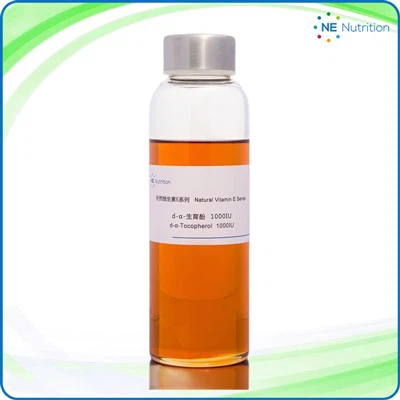
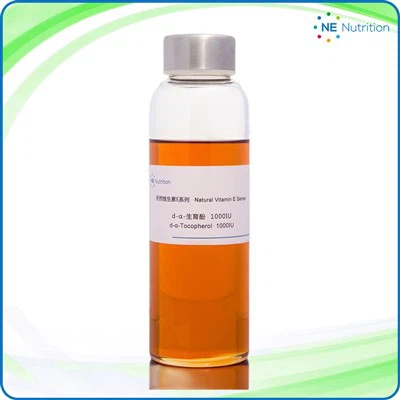
![D-Alpha-Tocopherol 1000IU]()
Natural Vitamin E is a powerful nutrient that is essential for the human body. It is a fat-soluble antioxidant that protects cells from damage caused by free radicals. Vitamin E is found in many
-
![Cosmetics Additives D-alpha Tocopherol NON GMO 1000iu]()
Cosmetics Additives D-alpha Tocopherol NON GMO 1000iu
Products Description Cosmetics additives d-alpha tocopherol is often used as an antioxidant and skin care ingredient in cosmetics. As a form of vitamin E, it has the following potential benefits and
-
![Non-GMO D-alpha Tocopherol]()
Products Description Cosmetics additives d-alpha tocopherol is often used as an antioxidant and skin care ingredient in cosmetics. As a form of vitamin E, it has the following potential benefits and
-
![Cosmetics Additives D-alpha Tocopherol]()
Cosmetics Additives D-alpha Tocopherol
Products Description Cosmetics additives d-alpha tocopherol is often used as an antioxidant and skin care ingredient in cosmetics. As a form of vitamin E, it has the following potential benefits and
-
![Sunflower Sourced Tocopherol 1300IU]()
Sunflower Sourced Tocopherol 1300IU
Natural vitamin E Sunflower Sourced is a natural antioxidant extracted from sunflower seed fatty acids. It is brownish red to light yellow clear oily liquid and can be widely used in food, dietary
-
![D-Alpha-Tocopherol 1490IU]()
D-alpha- tocopherol is clear,brownish red to slight yellow,viscous oil, which can be widely used in nutritional supplements and nutritious foods.
-
![D-Alpha-Tocopherol 1100IU]()
Natural Vitamin E is a powerful nutrient that is essential for the human body. It is a fat-soluble antioxidant that protects cells from damage caused by free radicals. Vitamin E is found in many
-
![D - Alpha - Tocopherol -1490 IU]()
D - Alpha - Tocopherol -1490 IU
Product Name: D-alpha tocopherol. Appearance:Clear, colorless to light yellow oily liquid, with mild taste and odor.. Specification:1300IU, 1490IU. CAS NO.: 58-95-7.
-
![D-alpha Tocopherol in Health Supplements]()
D-alpha Tocopherol in Health Supplements
Products Description D-alpha tocopherol, also known as natural vitamin E, is a compound in the vitamin E family. It is widely used in health products and has various benefits and functions. The
-
![D Alpha Tocopherol Vitamin E]()
D alpha tocopherol vitamin E is clear,brownish red to slight yellow,viscous oil, which can be widely used in nutritional supplements and nutritious foods.
-
![Vitamin E Alpha Tocopherol]()
Vitamin e alpha tocopherol is a clear, brownish red to slightly yellow, viscous oil, which can be widely used in nutritional supplements and nutritious foods.
-
![D-alpha Tocopherol]()
Product Name: D-alpha tocopherol. Appearance:Clear, brownish red to slight yellow, oily with mild tast and odor. Specification:1000IU,1100IU,1200IU,1300IU,1490IU. CAS NO.:59-02-9





What is D-Alpha-Tocopherol and Advantages?
D-Alpha Tocopheryl Acetate or Vitamin E is an antioxidant with anti-inflammatory properties that stimulates the immune system, protecting the skin from the adverse effects of oxidative stress. In other words, it calms and soothes inflammation and rids the skin of free radicals, which contribute to photoaging. Vitamin E plays a crucial role in protecting the skin from environmental factors.
Vitamin E is a catchall term for a group of eight fat-soluble compounds that split evenly into four tocopherols and four tocotrienols. Tocopherols contain saturated side chains and exert significant antioxidant effects. Tocotrienols have unsaturated side chains and support brain and heart health. Both tocopherols and tocotrienols divide one step further into alpha, beta, gamma, and delta vitamers. Vitamin E tocopherols are potent antioxidants that help protect cell membranes from oxidative damage. Vitamin E also supports a healthy immune system.
Vitamin E is a potent antioxidant. It can reduce oxidative stress markers while protecting cells from free radical damage. It seeks out free radicals and attaches a hydrogen molecule to them, drastically reducing the damage they can inflect. Vitamin E also boosts the activity of other antioxidants.
Features and Benefits of D-Alpha Tocopheryl Acetate Vitamin E Powder
• Easily absorbs into the skin and stores within the sebaceous glands to help protect cell membranes from oxidative damage.
• Can reduce acute and chronic skin damage caused by UV irradiation.
• Helps support a healthy scalp and hair as it has natural antioxidant effects that could assist with maintaining hair growth.
• An excellent moisturizer for dry, patchy areas of skin such as cuticles and elbows.
Vitamin E is a general term for natural and synthetic compounds with the most important group of substances being tocopherol drugs, in which Alpha Tocopherol with the strongest activity is mainly used in treatment.
In addition, other classes of tocopherol drugs including beta, gamma and delta tocopherol are not used in treatment. Alpha Tocopherol is a fat-soluble vitamin, widely distributed in food, especially vegetable oils, especially wheat germ oil, sunflower oil, cottonseed oil, cereals and eggs. However, Alpha Tocopherol will be lost during storage and cooking. The daily requirement for Alpha Tocopherol is about 4 - 15 mg. Alpha Tocopherol deficiency is rare, occurring only in people who are unable to absorb vitamin E or have an inherited disease that prevents normal blood levels of vitamin E from being maintained.
The exact biological function of D-Alpha-Tocopherol is not fully known, but it is considered an antioxidant, preventing the oxidation of polyunsaturated fatty acids (this is a component of cell membranes). , phospholipids and plasma lipoproteins), when free radicals are generated, they have the ability to damage cell membranes, proteins, and nucleic acids, leading to cell dysfunction and disease. Alpha Tocopherol reacts with free radicals to lose peroxyl radicals but not to generate more free radicals.
Due to the antioxidant properties of Alpha Tocopherol , there have been many studies using vitamin E to alleviate symptoms of dementia in Alzheimer's disease, age-related macular degeneration, cancer, sclerosis Arteriosclerosis, coronary artery, cataract...
Alpha Tocopherol dose works to reduce the risk of age-related macular degeneration: vitamin C 500mg/day + Beta carotene 15mg/day + vitamin E 400mg /day and zinc 80mg/day.
Alzheimer's disease and coronary artery disease: Alpha Tocopherol dose is from 200 to 800 units/day, however, it should be noted that doses of 400mg/day or more may increase mortality.
D-Alpha-Tocopherol: Does It Really Work?


What's tocopheryl acetate?
Alpha-tocopheryl acetate (ATA) is a specific form of vitamin E that's often found in skin care products and dietary supplements. It's also known as tocopheryl acetate, tocopherol acetate, or vitamin E acetate.
Vitamin E is known for its antioxidant properties. Antioxidants help to protect your body from damaging compounds called free radicals. Normally, free radicals form when your body converts food into energy. However, free radicals can also come from UV light, cigarette smoke, and air pollution.
In nature, vitamin E comes in the form of tocopheryl or tocotrienol. Both tocopheryl and tocotrienol have four forms, known as alpha, beta, gamma, and delta. Alpha-tocopheryl (AT) is the most active form of vitamin E in humans.
ATA is more stable than AT, meaning it can better withstand environmental stresses such as heat, air, and light. This makes it ideal for use in supplements and fortified foods because it has a longer shelf life.
Where can I find tocopheryl acetate?
Cosmetics and supplements
You'll find ATA in a variety of skin care products. The antioxidant properties of vitamin E can help to prevent damage to skin caused by free radicals from UV exposure. Vitamin E may also have an anti-inflammatory effect on the skin.
Due to its higher stability, ATA is also used in vitamin E dietary supplements. When taken orally, ATA is converted to AT within the intestine. Vitamin E is in most multi-vitamins, so be sure to check how much is in your multi-vitamin if you take one, before adding a supplement.
Foods
In addition to dietary supplements and cosmetic products, you can find vitamin E in the following foods:
● Green leafy vegetables, such as broccoli and spinach
● Oils, such as sunflower oil, wheat germ oil, and corn oil
● Sunflower seeds
● Nuts, such as almonds and peanuts
● Whole grains
● Fruits, such as kiwi and mango
● Vitamin E is also added to fortified foods, such as cereals, fruit juices, and many spreads. You can check food labels to see if vitamin E has been added. If you want to increase your vitamin E intake, you should start by first increasing your intake of these foods.
Check your vitamin levels with a micronutrient test
This micronutrient test checks for vitamin B12, D, E, Copper, & Selenium. Get your results in 2-5 days from an accredited laboratory with free shipping.
Using AT on the skin, especially with vitamin C, helps to prevent UV damage to the skin. In a review of studies, the Linus Pauling Institute at Oregon State University found that using AT with vitamin C on the skin decreased sunburned cells, DNA damage, and skin pigmentation following UV exposure. However, AT is less stable in the environment than ATA, which makes it harder to store.
While ATA is less sensitive to heat and light than AT is, there's less conversion of ATA to the active AT form within the skin. This is because the cells in the upper layer of your skin are much less metabolically active. As a result, using cosmetic products containing ATA on your skin may not be very effective.
Why Do We Need Vitamin E?
Vitamin E is one of four fat-soluble vitamins, and it is essential for your health. As an antioxidant, it protects and maintains cell membrane integrity. It fights against unstable molecules in cell division known as free radicals and against oxidative stress (an imbalance between free radicals and antioxidants in the body). The function of vitamin E may play an important role in fighting against cancer and other chronic diseases.
Other functions of vitamin E include:
● Maintains cell immunity and strengthens the immune system
● Promotes blood vessels integrity, preventing blood vessel leakage
● Assists vitamin K for blood coagulation (to keep blood from clotting)
Vitamin E can absorb ultraviolet (UV) light energy and protect the skin from free radical damage when used to promote skin health. Some may find vitamin E as an ingredient in sunscreen.
Functional activity of D-Alpha-Tocopherol
The function of alpha tocopherol is as a fat-soluble antioxidant, which breaks the chain of oxidation reactions which are propagating down a cell membrane or plasma protein by means of newly produced free radicals.
All cell membranes contain fats, and these are easily oxidized by free radical attack through the process of lipid peroxidation. This chain is broken by alpha-tocopherol which is a thousand times more susceptible to reaction with the peroxyl radicals than unsaturated fatty acids.
This causes the inactivation of the peroxyl radicals, while alpha-tocopherol itself becomes oxidized and loses its anti-oxidant activity. Vitamin C can regenerate the activity of alpha-tocopherol after it is oxidized.
This action of alpha-tocopherol is essential to the protection of the lipid bilayer of all cell membranes, as well as enzymes and membrane proteins.
It also strengthens cell-mediated immunity in several ways. However, this form of vitamin E does not seem to have a protective effect on chronic diseases such as cardiovascular disease, cancer or cataracts. There is some evidence that it slows the progression of age-related macular degeneration and was beneficial in the management of diabetes type 2, as well as non-alcoholic liver disease.
Alpha-Tocopherol VS Gamma-Tocotrienol?
Alpha-tocopherol and gamma-tocotrienol are two forms of vitamin E, which is a group of fat-soluble antioxidants. While both alpha-tocopherol and gamma-tocotrienol belong to the vitamin E family, they have different properties and potential health benefits.
Alpha-Tocopherol
Antioxidant activity: Alpha-tocopherol is a potent antioxidant that helps protect cells from oxidative damage caused by free radicals. It helps neutralize reactive oxygen species, reducing oxidative stress and its potential negative effects on the body.
Cardiovascular health: Vitamin E, particularly alpha-tocopherol, may play a role in maintaining cardiovascular health. It helps prevent the oxidation of low-density lipoprotein (LDL) cholesterol, which is associated with the development of atherosclerosis. Alpha-tocopherol may also have anti-inflammatory properties that benefit cardiovascular function.
Immune system support: Vitamin E, including alpha-tocopherol, supports immune function by protecting immune cells from oxidative stress. It plays a role in maintaining the integrity and optimal functioning of the immune system.
Gamma-Tocotrienol
Antioxidant and anti-inflammatory properties: Like alpha-tocopherol, gamma-tocotrienol possesses antioxidant activity, protecting cells from oxidative damage. It also exhibits anti-inflammatory effects that may help reduce inflammation-related conditions in the body.
Neuroprotective effects: Gamma-tocotrienol has shown potential neuroprotective properties by protecting nerve cells from damage and reducing oxidative stress in the brain. It may have benefits in conditions such as Alzheimer's disease, stroke, and other neurodegenerative disorders.
Cholesterol management: Gamma-tocotrienol has been studied for its ability to inhibit the production of cholesterol, particularly the synthesis of LDL cholesterol. It may help reduce total cholesterol levels, inhibit plaque formation, and promote cardiovascular health.
It's important to note that alpha-tocopherol is the most commonly found and studied form of vitamin E, and it is the form most commonly used in supplements. Gamma-tocotrienol, although less well-known, has been gaining attention for its unique health benefits. Further research is needed to fully understand the mechanisms and potential benefits of gamma-tocotrienol.
It's always advisable to obtain vitamin E from a balanced diet that includes sources rich in both alpha-tocopherol and gamma-tocotrienol, such as nuts, seeds, vegetable oils, and certain fruits and vegetables.
Our Factory
Since its establishment, the company has introduced advanced domestic pharmaceutical research and development teams and combined them with industry, academia, and research in universities. With technology as the core, innovation as the driving force, talent as the foundation, quality as the guarantee, market orientation, and customer centricity, the company continuously innovates and develops to improve its competitiveness and sustainable development capabilities.
FAQ
As one of the most professional d-alpha-tocopherol manufacturers and suppliers in China, we're featured by quality products and good service. Please rest assured to buy bulk d-alpha-tocopherol at competitive price from our factory.
D Tocopherol Concentrate