


Natual Vitamin E

We are always at your service when you need
Qufu New Element Bioengineering Co., Ltd. is a national high-tech enterprise that focus on high-purity, high content natural vitamin E, phospholipids and other biological antioxidant products R&D, production, and sales.
Company is committed to low-carbon, circular, and sustainable economic development. Our mission is to build a enterprise in the big health industry and promote the construction of a human health community. Welcome friends from all over the world to visit, cooperate, and progress together!
600Ton
Annual Capacity
years experience
60+
R&D Team
100000㎡
construction area
Core strengths
Why choose Shandong New Element as your parter?
Production
Independently design enclosed integrated production line.
GMP standard grade D clean workshops.
PLC automatic control is adopted throughout the line.
Certification System
Perfect food safety management system

Quality Assurance
The product production process must undergo at least three inspections. Batch testing is carried out and regularly sent to third-party laboratories for external inspection.
R&D Part
We have 21 patents and 8 enterprise standards.
-
![Natural Vitamin E Mixed Tocopherols 50% -95% Non-GMO]()
Natural Vitamin E Mixed Tocopherols 50% -95% Non-GMO
Products Description Natural vitamin E mixed tocopherol usually refers to a mixture of biologically active compounds, which contains a variety of tocopherol compounds, such as alpha-tocopherol
-
![D-Alpha-Tocopherol 1000IU]()
Natural Vitamin E is a powerful nutrient that is essential for the human body. It is a fat-soluble antioxidant that protects cells from damage caused by free radicals. Vitamin E is found in many
-
![D-Alpha-Tocopheryl Acetate 1360IU]()
D-Alpha-Tocopheryl Acetate 1360IU
D-alpha-tocopheryl acetate 1360IU concentrate is slight light brownish to slight yellow, viscous oily liquid.It can be widely used in the production of health capsule, liquid
-
![Natural Vitamin E Tocotrienols Supplements Grade]()
Natural Vitamin E Tocotrienols Supplements Grade
Products Description Natural vitamin E tocotrienols supplements grade, a form of vitamin E, are used in supplements for their potential health benefits. While more research is needed to fully
-
![Mixed Tocopherols Powder Food Grade]()
Mixed Tocopherols Powder Food Grade
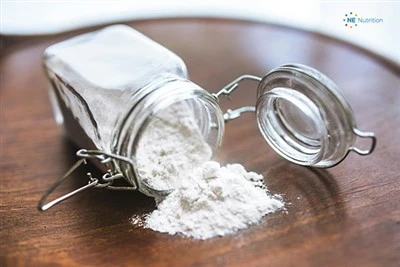
Product Name: Mixed tocopherols powder food grade;. Appearance:Water-dispersible fine powder which is pale yellow to almost white flowing powder, odorless;. Specification:30%,50%;. CAS No.:59-02-9,
-
![D-Alpha Tocopheryl Acetate 700IU Powder]()
D-Alpha Tocopheryl Acetate 700IU Powder
The Name of Product: d-Alpha Tocopheryl Acetate 700IU Powder. Appearance: Light yellow to off-white powder. Specification: 700IU, 950IU
-
![D-alpha Tocopheryl Acid Succinate 1185&1210]()
D-alpha Tocopheryl Acid Succinate 1185&1210
D-alpha-tocopherol acid succinate 1210IU is white to off-white granular or powder,has higher stability and biological efficiency, easy to transport and storage. And it can be used for pressing multi
-
![Tocopheryl Acetate Powder]()
Tocopheryl acetate powder is a stable microencapsulated dry form of vitamin E with 950 IU activity per gram, featuring outstanding oxidation stability far superior to free tocopherol. Its acetate
-
![Tocopheryl Acetate Powder 950IU]()
Tocopheryl Acetate Powder 950IU
Tocopheryl acetate powder 950IU is a stabilized, dry‑powder form of vitamin E (D‑α‑tocopheryl acetate) that delivers 950 International Units of vitamin E activity per gram. It is the most common form
-
![Tocopheryl D-Alpha Succinate]()
D-alpha tocopheryl acid succinate is a white to off-white granular,almost no smell or a slight odor.It is mainly derived from vegetable oil deodorizer distillate by suitable physical and chemical
-
![Vitamin E Tocopheryl Acetate 50% Powder]()
Vitamin E Tocopheryl Acetate 50% Powder
Vitamin E Powder 50% CWS Product Name: Compound Nutritional Ingredient (Vitamin E Powder) Molecular Structure: Molecular Formula: C 31 H 52 O 3 Molecular Weight: 472.73 CAS Number: 7695-91-2 HS Code:
-
![Palm Sourced 92% Concentrate Tocotrienols]()
Palm Sourced 92% Concentrate Tocotrienols
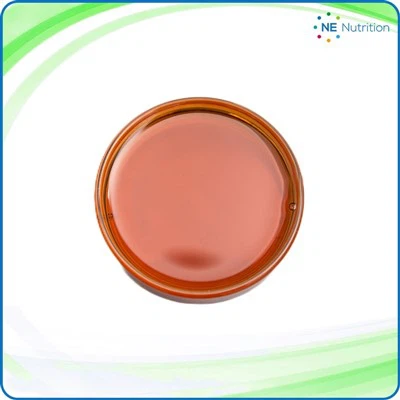
Apperance:Yellow to red-brown clea oily liquid,mild and characterisitc odor.Total Tocotrienols and Tocopherols≥92.0%




Product advantages
We focus on the R&D and production of a full range of natural vitamin E with high purity and high content. We can not only produce specifications that meet the needs of popular products, but also provide customized specifications that meet customer requirements.
High Content
The content of regular products can reach more than 97%.
High Purity
Many types of pollutant indicators have been controlled, such as benzopyrene, plasticizers, dioxins, zearalenone...
Full Range
We can provide a full range of natural vitamin E.
Customizable
We can offer a full range of natural vitamin E, whether in powder or liquid form, in monomeric or esterified form.
Our Partners
NE Nutrition with a good reputation,excellent quality and sound after-sales service to win the world praise,in many domestic and foreign enterprises shine!





What is Natual Vitamin E?
Natual Vitamin E are made by plants. Although αT exists in some fruits and vegetables, plant seeds including commonly-used nuts are rich sources of αT and γT.
What Does Vitamin E do?
So, what are the benefits of this fat-soluble, free radical-fighting friend? Studies show that eating a variety of whole foods that contain vitamin E may help in several ways.
Lowers your risk of cancer
As an antioxidant, vitamin E helps ward off cancer-causing cell damage. Some evidence shows that low levels of vitamin E and selenium may raise your risk of breast and lung cancer.
01
Keeps your eyes healthy
Vitamin E has a protective effect on the cells in your eyes. And getting enough of this nutrient could lower your risk of age-related macular degeneration (AMD) and cataracts.
02
Boosts your immune system
You need a healthy immune system to fight off illnesses, from colds and flu to cancer. And vitamin E plays a vital role in your immune health.
03
Reduces your risk of blood clots
Vitamin E may help prevent blood clots that could cause heart attacks. But don't start popping vitamin E in place of blood thinners or other medications.
04
Brightens your skin
There's a reason you see vitamin E listed on moisturizers, sunscreens and other skin care products. This vitamin is found in our natural sebum (skin oil) and defends your skin cells from damage.
05
Best sources of Natual Vitamin E
You can get your vitamin E through your diet if you regularly eat:
Vegetable oils: Wheat germ oil has the highest amount of vitamin E, bringing in 135% of your daily value (DV) in 1 tablespoon. But other vegetable oils, like sunflower and safflower, are also good sources of this nutrient. Corn and soybean oil contain some vitamin E, but in lower amounts than other oils.
Nuts: An ounce of almonds contains about 45% of your DV of vitamin E. Hazelnuts are another good source, with 29% of your DV per ounce.
Peanuts: Technically a legume, not a nut, peanuts and peanut butter are good sources of vitamin E. They contain about 15% to 20% of your DV per serving.
Green vegetables: Veggies like spinach and broccoli contain some vitamin E. While the amount is only about 5% to 8% of your DV, they're well worth adding to your diet. Green veggies are great sources of vitamins, minerals and antioxidants.
Fortified foods: Food companies add vitamin E to packaged foods like cereal and fruit juice. Look at the nutrition facts label to see which foods have vitamin E added. You might see it listed in the ingredients as "alpha-tocopherol" or "mixed tocopherols."
Vitamin E comes in several forms, including capsules and liquid products. Vitamin E is available as a standalone supplement and can also be found in multi-nutrient formulations like multivitamins and supplements that contain several nutrients.
Vitamin E is a fat-soluble nutrient, meaning fat facilitates its absorption. For this reason, it's best to take vitamin E with a snack or meal containing fat.
Dosage
Vitamin E can be taken in a single dose or split into divided doses. Doses used in research studies vary, but most vitamin E supplements contain 67 mg or more of vitamin E. Multivitamin supplements often contain lower doses, around 13.5 mg.
Some supplements contain a natural form of vitamin D called d-alpha-tocopherol, while others contain a synthetic form of vitamin E called dl-alpha-tocopherol. The natural form is more potent than synthetic form, with 1 mg of natural vitamin E equating to 2 mg of synthetic vitamin E.
Supplements may list vitamin E content in International Units (IUs). One IU of natural vitamin E is equivalent to 0.67 mg, while one IU of the synthetic form equates to 0.45 mg.
National Institutes of Health. Vitamin E fact sheet for consumers.
It's important to limit your supplemental vitamin E intake to less than 1,000 mg per day, which equates to 1,500 IU per day of the natural form or 1,100 IU per day of the synthetic form of vitamin E. Taking more than that may harm health.
Is Vitamin E Safe?
Though vitamin E is an essential nutrient that plays critical roles in health, taking too much supplemental vitamin E for long time periods may harm health and has been associated with adverse side effects.
For example, studies have shown taking daily vitamin E supplements providing 400–800 mg of vitamin E over long time periods may cause side effects like headache, blurred vision, and elevated blood pressure, and increase symptoms of diabetes and heart disease in some people.
Taking high-dose vitamin E supplements may also increase bleeding risk.
It's important to speak with your healthcare provider before starting to supplement with vitamin E, especially in high doses.
Potential Drug Interactions
Vitamin E supplements have the potential to interact with certain commonly prescribed drugs, including blood-thinning medications. Vitamin E has blood-thinning properties. Taking vitamin E supplements alongside blood-thinning and anticoagulant medications may increase bleeding risk.
Also, taking antioxidant supplements like vitamin E while undergoing chemotherapy or radiation treatment may reduce the effectiveness of these treatments.
If you're taking one or more medications, it's always best to check with your healthcare provider before starting a supplement to ensure appropriateness and safety.
What to Look For
Vitamin E can be taken on its own, but can also be found in multivitamin supplements marketed to support certain aspects of health like immune function and the health of the hair, skin, and nails.
If you'd like to take a vitamin E-only supplement, it's important to check the supplement labels and ingredient list to ensure you're purchasing the right product.
When possible, try to purchase dietary supplements that are certified by organizations like U.S. Pharmacopeia and NSF International, which set strict standards for supplement quality and safety. The supplement bottle will display a seal from these organizations.
Why Do We Need Vitamin E?
Vitamin E is one of four fat-soluble vitamins, and it is essential for your health. As an antioxidant, it protects and maintains cell membrane integrity. It fights against unstable molecules in cell division known as free radicals and against oxidative stress (an imbalance between free radicals and antioxidants in the body). The function of vitamin E may play an important role in fighting against cancer and other chronic diseases.
Other functions of vitamin E include:
● Maintains cell immunity and strengthens the immune system
● Promotes blood vessels integrity, preventing blood vessel leakage
● Assists vitamin K for blood coagulation (to keep blood from clotting)
Vitamin E can absorb ultraviolet (UV) light energy and protect the skin from free radical damage when used to promote skin health. Some may find vitamin E as an ingredient in sunscreen.
Vitamin E and Biomarkers



Vitamin E is another antioxidant, and is a fat-soluble vitamin. It's a family of 8 different compounds—the most potent of which is α-tocopherol. It is found in both natural and synthetic forms, of which the body more readily absorbs natural forms than synthetic. The daily requirement of vitamin E is 15mg (22IU) for adults. Since it is a fat-soluble vitamin, the best sources of vitamin E are foods high in fat, such as oils and nuts.
The best source of vitamin E is wheat germ oil, with roughly 20mg (30IU) of α-tocopherol per tablespoon. A serving of sunflower seeds, almonds, sunflower oil, and safflower oil follow behind at roughly 6mg (9IU) α-tocopherol. Americans get the majority of their vitamin E from soybean, canola, and corn oils used in processed foods. Individuals that follow low-fat diets are likely not consuming adequate amounts vitamin E.
Vitamin E is a prominent antioxidant in the fatty, or lipid, compounds of our body, such as cell membranes and cholesterol-transporting lipoproteins. It is one of the most critical antioxidants for reducing or preventing oxidation in lipids, which can lead to their degradation—particularly in cell membranes, the outer wall of cells. Similar to vitamin C, vitamin E helps to manage the bodies' level of oxidative stress. If the level of oxidative stress gets too high, we may not be able to prevent or protect against cell damage.
One area in which vitamin E may be able to prevent cellular damage is in the liver. Oxidative stress in the liver can result in liver damage, which elevates the level of two liver enzymes, ALT and AST. Oxidative stress in the liver could potentially be caused by various factors, including high alcohol intake, or high intake of fatty foods and excess calories. A high dose vitamin E supplement has been shown to reduce clinically elevated levels of ALT and AST compared to placebo.Additional dietary and lifestyle adjustments can further reduce their levels. While supplementing is not appropriate for everyone, achieving an adequate amount of vitamin E through diet should be a priority.
What To Know About Vitamin E In Foods
Vitamin E can be found in many foods, including
● Certain commercially processed foods, such as cereal, juice, and margarine
● Abalone, salmon, and other seafood
● Broccoli, spinach, and other green vegetables
● Nuts and seeds, such as sunflower seeds, and hazelnuts
● Vegetable oils, including sunflower, wheat germ, and safflower oil
Natural vitamin E in food is often listed as d-alpha-tocopherol on food labels. Vitamin E is also produced synthetically. The synthetic form of vitamin E is often referred to as dl-alpha-tocopherol. Natural vitamin E is more potent than its synthetic version.
Vitamin E can be absorbed even better when combined with vitamin C.
Recommended vitamin E allowance
The amount of vitamin E you need daily is based on your age.
Teens, adults, and pregnant women should consume around 15 milligrams (mg) each day, according to the National Institutes of HealthTrusted Source. Breastfeeding women need around 19 milligrams. Infants, babies, and children require less vitamin E in their daily diet.
Most people who live in areas where healthy food is available get enough vitamin E from food.
People with conditions that affect their ability to digest or absorb fat may need more vitamin E. These conditions include cystic fibrosis and Crohn's disease. For these people and others concerned about vitamin E intake, supplements may help. Vitamin E is an ingredient in many multivitamin and mineral supplements.
Our Factory
Since its establishment, the company has introduced advanced domestic pharmaceutical research and development teams and combined them with industry, academia, and research in universities. With technology as the core, innovation as the driving force, talent as the foundation, quality as the guarantee, market orientation, and customer centricity, the company continuously innovates and develops to improve its competitiveness and sustainable development capabilities.
FAQ
As one of the most professional natual vitamin e manufacturers and suppliers in China, we're featured by quality products and good service. Please rest assured to buy bulk natual vitamin e at competitive price from our factory.
D Alpha Tocopherol Vegan, D Delta Mixed Tocopherols, Mixed Tocopherol Concentrate Food Additive